Language models have become an integral part of various applications across industries, from powering virtual assistants to generating creative content. However, concerns about privacy and data security have prompted many organizations to seek ways to build private language models (LLMs) that can operate securely within their own infrastructure. In this guide, we’ll explore the steps involved in building a private LLM and the considerations to keep in mind throughout the process.
Understanding Private LLMs
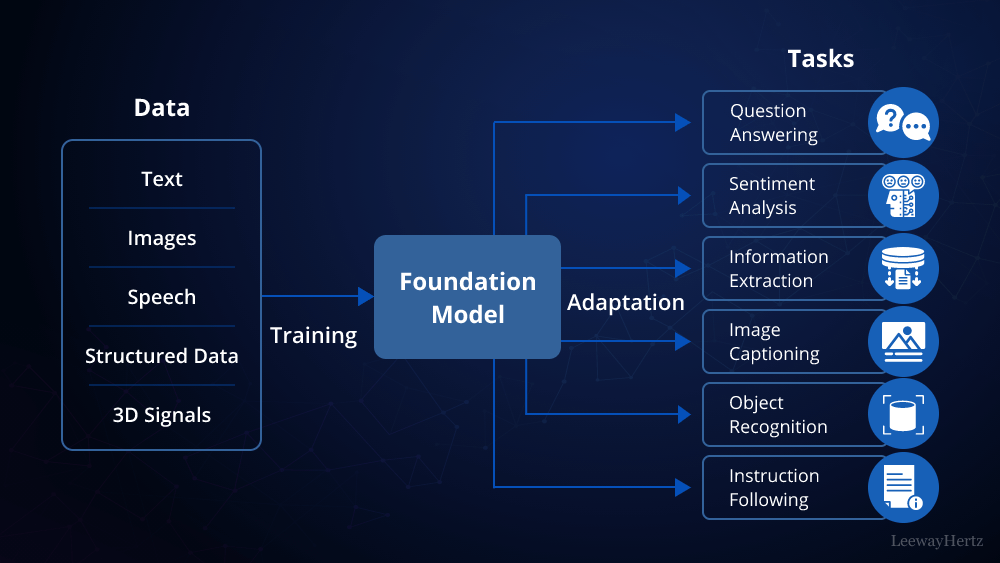
A private LLM refers to a language model that is trained and operated within a closed environment, ensuring that sensitive data remains secure and confidential. Unlike public LLMs, which are hosted on external servers and may pose privacy risks, private LLMs offer organizations greater control over their data while still harnessing the power of advanced natural language processing (NLP) capabilities.
Benefits of Private LLMs
The primary benefits of building a private LLM include:
- Enhanced Data Privacy: By keeping data within internal servers, organizations can mitigate the risk of data breaches and unauthorized access.
- Customization: Private LLMs can be tailored to specific industry domains, organizational needs, and language nuances, resulting in more accurate and relevant outputs.
- Compliance: Maintaining a private LLM allows organizations to adhere to regulatory requirements and industry standards governing data privacy and security.
- Reduced Dependency: Organizations are not reliant on external services for language processing tasks, reducing latency and potential disruptions.
Building a Private LLM: Step-by-Step Guide
- Define Objectives and Use Cases
Before embarking on the LLM development journey, it’s essential to clearly define the objectives and use cases for the private model. Determine the specific tasks and applications for which the LLM will be utilized, such as customer support automation, content generation, or data analysis.
- Data Collection and Preprocessing
Gather relevant data sources that will be used to train the LLM while ensuring compliance with data privacy regulations. Preprocess the data to remove noise, anonymize sensitive information, and enhance the quality of input data.
- Select Training Framework and Architecture
Choose an appropriate training framework and architecture for the private LLM based on factors such as scalability, efficiency, and compatibility with existing infrastructure. Popular frameworks for building LLMs include TensorFlow, PyTorch, and Hugging Face’s Transformers library.
- Model Training
Train the LLM using the preprocessed data and fine-tune the model to optimize performance for the intended use cases. Implement techniques such as transfer learning and domain adaptation to enhance the model’s ability to understand domain-specific language patterns.
- Evaluation and Validation
Evaluate the performance of the trained LLM using metrics such as accuracy, fluency, and coherence. Conduct thorough validation tests to ensure that the model meets the desired quality standards and produces reliable outputs.
- Deployment and Integration
Deploy the private LLM within the organization’s infrastructure, taking into account factors such as resource allocation, scalability, and security protocols. Integrate the LLM into existing systems and workflows to seamlessly incorporate its language processing capabilities into daily operations.
- Continuous Monitoring and Maintenance
Regularly monitor the performance of the deployed LLM and implement updates or refinements as needed to address evolving requirements and challenges. Continuously retrain the model with new data to improve its accuracy and relevance over time.
Conclusion
Building a private LLM enables organizations to harness the power of natural language processing while maintaining control over sensitive data and ensuring compliance with privacy regulations. By following a structured approach that encompasses data collection, model training, and deployment, organizations can create custom LLMs that meet their specific needs and deliver actionable insights. Embracing private LLMs empowers organizations to leverage advanced language processing capabilities while safeguarding data privacy and maintaining compliance with regulatory standards.
 New Tech news
Leave a comment