Introduction
In today’s digital age, customer support plays a pivotal role in ensuring customer satisfaction and loyalty. With the advancement of technology, Artificial Intelligence (AI) has emerged as a game-changer in transforming traditional customer support methods. From chatbots to virtual assistants, AI-powered solutions are revolutionizing the way businesses interact with their customers. In this article, we delve into the impact of AI in customer support and how it is reshaping the customer experience landscape.
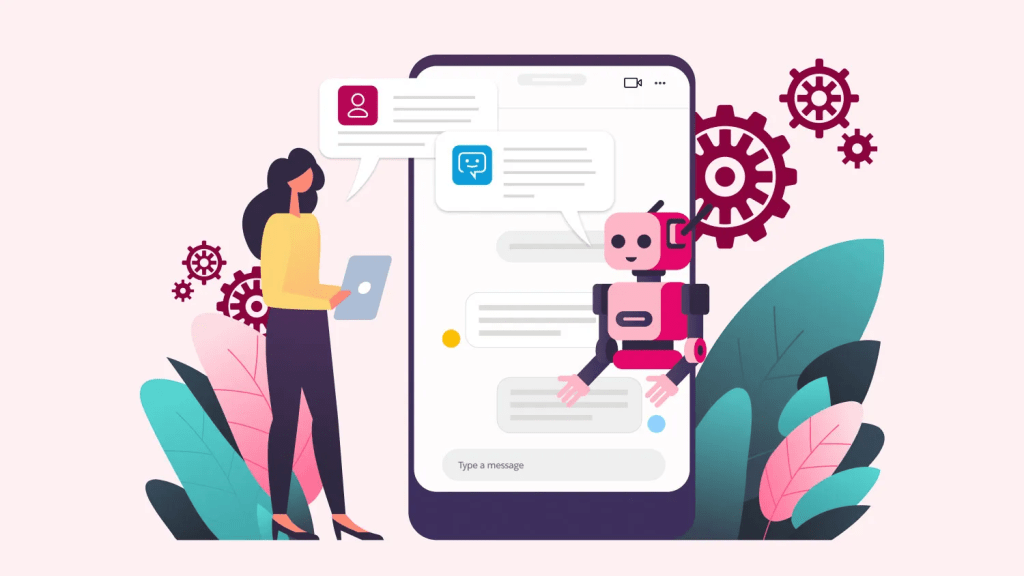
The Rise of AI in Customer Support
In recent years, AI has gained significant traction in customer support due to its ability to streamline processes, enhance efficiency, and deliver personalized experiences. One of the most prominent AI applications in this domain is the implementation of chatbots. These intelligent bots leverage natural language processing (NLP) algorithms to understand customer queries and provide relevant solutions in real-time. By automating routine tasks and handling basic inquiries, chatbots enable businesses to deliver prompt responses and round-the-clock support, thereby improving overall customer satisfaction.
Personalization and Customer Insights
AI-powered customer support systems are not just about automation; they also excel in delivering personalized experiences. Through advanced analytics and machine learning algorithms, these systems analyze customer data to gain valuable insights into their preferences, behaviors, and pain points. By leveraging this data, businesses can tailor their interactions with customers, anticipate their needs, and offer customized solutions. Whether it’s recommending products based on past purchases or addressing specific concerns proactively, AI empowers businesses to foster deeper connections with their customers and enhance brand loyalty.
Omni-channel Support
In today’s multi-channel environment, customers expect seamless support across various touchpoints, including websites, social media platforms, email, and mobile apps. AI facilitates omni-channel support by centralizing customer interactions and ensuring consistency across different channels. Through integrations with CRM systems and communication platforms, AI-powered solutions enable agents to access relevant customer information and provide contextually relevant assistance regardless of the channel used. This ensures a cohesive and frictionless experience for customers, regardless of how they choose to engage with the brand.
Efficiency and Scalability
Traditional customer support methods often struggle to keep pace with growing customer demands, leading to long wait times and frustrated customers. AI addresses this challenge by offering scalable and efficient solutions that can handle a large volume of inquiries simultaneously. Whether it’s routing inquiries to the right department, resolving common issues through self-service portals, or prioritizing urgent requests, AI streamlines support operations and reduces response times. This not only enhances operational efficiency but also frees up human agents to focus on more complex tasks that require human intervention.
Continuous Improvement through Feedback Loop
One of the key advantages of AI in customer support is its ability to learn and improve over time. By leveraging feedback from interactions with customers, AI algorithms continuously refine their understanding of customer queries and optimize response accuracy. This feedback loop enables businesses to iteratively enhance their AI-powered systems, ensuring they remain relevant and effective in addressing evolving customer needs. Moreover, by analyzing customer feedback at scale, businesses can identify trends, uncover areas for improvement, and make data-driven decisions to enhance the overall customer experience.
Empowering Human Agents
Contrary to popular belief, AI in customer support is not about replacing human agents; it’s about empowering them to deliver exceptional service. By automating repetitive tasks and providing agents with relevant insights and recommendations, AI augments human capabilities and enables them to focus on tasks that require empathy, creativity, and problem-solving skills. This human-AI collaboration fosters a symbiotic relationship where AI handles routine inquiries efficiently, while human agents handle complex issues and provide the human touch that is essential for building meaningful customer relationships.
Ethical Considerations and Transparency
As AI becomes more integrated into customer support operations, it’s crucial for businesses to address ethical considerations and ensure transparency in AI-driven interactions. Customers should be informed when they are interacting with AI-powered systems, and their data should be handled responsibly and in accordance with privacy regulations. Moreover, businesses must mitigate the risk of algorithmic bias by regularly auditing their AI systems and ensuring fairness and inclusivity in their decision-making processes. By prioritizing ethics and transparency, businesses can build trust with their customers and foster long-term relationships based on integrity and respect.
Conclusion
In conclusion, AI is revolutionizing customer support by offering scalable, efficient, and personalized solutions that enhance the overall customer experience. From chatbots and virtual assistants to advanced analytics and machine learning algorithms, AI-powered systems are reshaping the way businesses interact with their customers across various channels. By leveraging the power of AI, businesses can streamline support operations, gain valuable insights into customer behavior, and deliver exceptional service that fosters loyalty and drives growth in today’s competitive landscape. As AI continues to evolve, businesses must embrace innovation while upholding ethical standards to unlock the full potential of AI in customer support.
 New Tech news
Leave a comment