In the rapidly evolving landscape of natural language processing (NLP), Large Language Models (LLMs) have emerged as powerful tools for generating human-like text and understanding language nuances. These models, such as GPT (Generative Pre-trained Transformer) series, have revolutionized various fields, including content generation, chatbots, and language translation. However, to fully harness the potential of LLMs, businesses and organizations need skilled prompt engineers. In this article, we delve into the importance of prompt engineers and why hiring them is crucial for maximizing the benefits of LLM models.
Understanding LLM Models
Before delving into the role of prompt engineers, let’s briefly explore LLM models. These are advanced deep learning architectures trained on vast amounts of text data to understand and generate human-like text. LLMs utilize transformer-based architectures, enabling them to capture intricate language patterns and context.
The Power of Prompts in LLMs
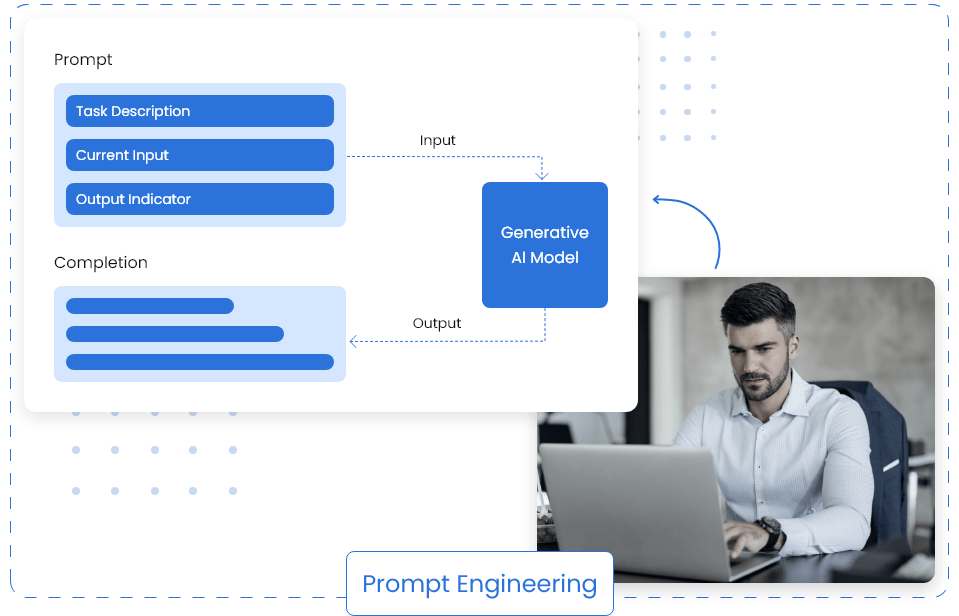
Prompts are specific instructions or cues provided to LLMs to generate desired outputs. They serve as guiding signals, directing the model’s attention and influencing the generated text’s content and style. Crafting effective prompts requires a deep understanding of the model’s capabilities, linguistic nuances, and the desired task or outcome.
The Role of Prompt Engineers
Prompt engineers play a pivotal role in optimizing LLM performance and tailoring outputs to meet specific requirements. Here are some key functions they perform:
1. Prompt Design and Optimization
Prompt engineers design and optimize prompts to elicit desired responses from LLMs. They carefully craft prompts to guide the model towards generating accurate, coherent, and contextually relevant text. This involves experimenting with different prompt formats, lengths, and language constructs to achieve optimal results.
2. Fine-tuning LLMs
LLMs are typically pre-trained on vast datasets, but fine-tuning them for specific tasks or domains can significantly enhance performance. Prompt engineers leverage fine-tuning techniques to adapt LLMs to specialized tasks such as text summarization, sentiment analysis, or question answering. This involves adjusting model parameters and training data to improve accuracy and efficiency.
3. Bias Mitigation and Fairness
Addressing bias and ensuring fairness in LLM outputs is a critical consideration, particularly in applications with ethical or social implications. Prompt engineers work to mitigate biases by carefully crafting prompts and implementing techniques to promote diversity, equity, and inclusion in model outputs.
4. Performance Monitoring and Optimization
Continuous monitoring and optimization are essential for maintaining LLM performance over time. Prompt engineers track model performance metrics, identify areas for improvement, and implement adjustments to enhance efficiency and accuracy. This iterative process ensures that LLMs remain effective and adaptable to evolving requirements.
Why Hire Prompt Engineers?
Now that we understand the pivotal role of prompt engineers, let’s explore why hiring them is essential for organizations leveraging LLM models:
1. Expertise and Specialized Knowledge
Prompt engineering requires a unique blend of expertise in NLP, machine learning, and linguistics. Hiring dedicated prompt engineers ensures access to specialized knowledge and skills essential for optimizing LLM performance and achieving desired outcomes.
2. Tailored Solutions
Every organization has unique requirements and objectives when deploying LLM models. Prompt engineers work closely with stakeholders to understand these needs and tailor prompts and fine-tuning strategies accordingly. This customized approach maximizes the relevance and effectiveness of LLM outputs for specific applications.
3. Bias Mitigation and Ethical Considerations
Addressing bias and promoting ethical AI practices are paramount in LLM development and deployment. Prompt engineers possess the expertise to identify and mitigate biases, ensuring fair and equitable outcomes. By hiring prompt engineers, organizations demonstrate their commitment to responsible AI stewardship.
4. Performance Optimization and Continuous Improvement
LLM performance is not static; it requires ongoing monitoring and optimization to maintain effectiveness. Prompt engineers oversee performance metrics and implement iterative improvements to enhance model efficiency and accuracy. This proactive approach ensures that LLMs remain aligned with organizational objectives and evolving industry standards.
Conclusion
In the era of LLM-driven innovation, prompt engineers play a crucial role in unlocking the full potential of these transformative models. Their expertise in prompt design, fine-tuning, bias mitigation, and performance optimization is indispensable for organizations seeking to leverage LLMs effectively. By investing in prompt engineers, businesses and institutions can harness the power of LLMs to drive innovation, enhance productivity, and achieve their strategic objectives in the rapidly evolving landscape of natural language processing.
 New Tech news
Leave a comment