Introduction
In the age of information overload, the role of recommendation systems powered by Artificial Intelligence (AI) has become increasingly crucial. These systems leverage advanced algorithms to analyze user preferences, behaviors, and historical data, providing personalized suggestions that enhance user experiences across various platforms. This article delves into the transformative impact of AI-powered recommendation systems, exploring their applications, benefits, and the underlying technologies that make them a driving force in today’s digital landscape.
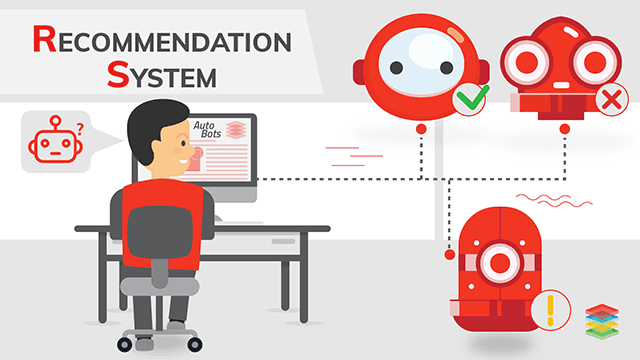
- Understanding AI-Powered Recommendation Systems
AI-powered recommendation systems are a subset of machine learning applications that excel in predicting and suggesting items or content tailored to individual user preferences. These systems analyze vast amounts of data, including user interactions, feedback, and historical patterns, to generate accurate and personalized recommendations. Whether it’s suggesting movies, products, music, or content, these systems aim to enhance user engagement and satisfaction.
- Types of Recommendation Systems
There are several types of recommendation systems, each designed to cater to specific use cases and user behaviors:
a. Collaborative Filtering: This approach relies on user behavior and preferences, recommending items based on the preferences of users with similar tastes. Collaborative filtering can be user-based or item-based, providing personalized suggestions by comparing user profiles or item characteristics.
b. Content-Based Filtering: Content-based recommendation systems focus on the characteristics of items and users. By analyzing the content of items and user preferences, these systems recommend items that match a user’s past behavior or preferences.
c. Hybrid Models: Hybrid recommendation systems combine elements of collaborative and content-based filtering to provide more accurate and diverse suggestions. By leveraging the strengths of both approaches, hybrid models offer improved recommendation accuracy and robustness.
- Enhancing User Engagement and Satisfaction
One of the primary benefits of AI-powered recommendation systems is their ability to significantly enhance user engagement and satisfaction. By offering personalized suggestions, these systems create a more enjoyable and relevant user experience, leading to increased user retention and loyalty.
For example, streaming platforms like Netflix and music services like Spotify use recommendation systems to understand individual viewing or listening preferences. This ensures that users are presented with content that aligns with their tastes, increasing the likelihood of prolonged engagement.
- E-Commerce and Personalized Product Recommendations
In the realm of e-commerce, AI-powered recommendation systems play a pivotal role in driving sales and customer satisfaction. Online retailers leverage these systems to analyze customer behavior, purchase history, and preferences to suggest products that are likely to resonate with individual users.
For instance, platforms like Amazon utilize recommendation algorithms to offer personalized product recommendations, creating a tailored shopping experience. This not only facilitates upselling and cross-selling but also contributes to a more personalized and enjoyable shopping journey.
- Dynamic Content Recommendations in Media
Media platforms, including news websites and content streaming services, leverage AI-powered recommendation systems to provide users with dynamic and relevant content. By analyzing user interactions, these systems can recommend articles, videos, or news stories that align with a user’s interests, ensuring a continuous flow of engaging content.
Dynamic content recommendations not only keep users engaged but also help platforms optimize content delivery, increasing user satisfaction and the likelihood of content consumption.
- Optimizing User Interfaces with AI Recommendations
Beyond content suggestions, AI-powered recommendation systems are increasingly being integrated into user interfaces to enhance overall usability. For example, social media platforms use recommendation algorithms to suggest connections, groups, or content to users, creating a more interactive and engaging experience.
By optimizing user interfaces based on individual preferences, these systems contribute to a more user-friendly and personalized digital environment, fostering increased user interaction and satisfaction.
Conclusion
The power of AI-powered recommendation systems lies in their ability to transform user experiences across various digital platforms. From personalized content suggestions to enhancing e-commerce interactions, these systems play a pivotal role in shaping how users engage with digital services. As technology continues to advance, the evolution of recommendation systems will likely lead to even more sophisticated and personalized experiences, further cementing their status as a cornerstone of the digital era. By striking the right balance between innovation, user privacy, and ethical considerations, AI-powered recommendation systems will continue to shape the future of digital interactions and content consumption.
 New Tech news
Leave a comment